El sector manufacturero global en 2026 exige una adaptabilidad sin precedentes por parte de los profesionales de compras. Hoy en día, los compradores de envases rígidos deben desenvolverse en un panorama geopolítico sumamente complejo, caracterizado por fricciones comerciales y marcos regulatorios cambiantes. En consecuencia, los gestores de la cadena de suministro buscan activamente formas de diversificar sus fuentes de materiales para mantener la estabilidad operativa. En particular, las empresas de envasado de alimentos y productos electrónicos se enfrentan a una creciente presión para asegurar materias primas fiables. Encontrar fuentes estables de láminas de plástico termoformables se ha convertido en una prioridad estratégica para las marcas internacionales. Diversificar los canales de suministro ya no es solo una opción para reducir costes; de hecho, la resiliencia es fundamental.Abastecimiento de láminas de PP/PET/HIPSLas estrategias son ahora cruciales para proteger la continuidad operativa. Los compradores industriales necesitan socios que comprendan estas presiones y ofrezcan soluciones proactivas. Los fabricantes deben superar la dependencia de una sola región para prosperar en este nuevo entorno. Este informe analítico examina cómo los proveedores con visión de futuro están reestructurando su presencia internacional. El informe explora cómo las bases de fabricación duales ayudan a mitigar riesgos y mantener una calidad superior. Al analizar estos cambios, las empresas pueden tomar decisiones de compra informadas que protejan sus intereses a largo plazo.

Las redes de suministro globales experimentan una alta volatilidad debido a diversos desafíos sistémicos. La fuerte dependencia de un único centro de fabricación expone a las empresas a graves e impredecibles interrupciones en sus operaciones. Por ejemplo, los cambios repentinos en las políticas comerciales pueden aumentar instantáneamente los costos de adquisición y reducir los márgenes de beneficio. Muchos compradores occidentales se enfrentan a aranceles de importación crecientes y derechos antidumping inesperados sobre los materiales plásticos. Al mismo tiempo, el transporte marítimo sigue sufriendo retrasos logísticos impredecibles. La congestión portuaria y la escasez de contenedores a menudo paralizan envíos cruciales de rollos de materia prima a través de las rutas marítimas. Los fabricantes de envases rígidos operan con plazos de entrega extremadamente ajustados. Sus líneas de termoformado automatizadas requieren un suministro continuo y rápido de rollos de plástico para mantener la rentabilidad. Cualquier retraso en la entrega de material puede detener por completo las líneas de producción, causando dificultades financieras inmediatas. En consecuencia, los productores de envases se enfrentan a enormes pérdidas financieras y a un deterioro en las relaciones con sus clientes. Para evitar estos riesgos, los equipos de compras modernos deben diversificarse geográficamente. Necesitan una cadena de suministro que evite las barreras comerciales sin sacrificar la calidad del material. El desarrollo de rutas de envío alternativas ha pasado de ser un plan de respaldo temporal a una medida de protección crucial.
Reconociendo estas urgentes demandas del mercado, los líderes establecidos de la industria están expandiendo activamente su presencia global. En un desarrollo muy esperado, FullstarInauguró sus modernas instalaciones en Johor, Malasia, el 20 de enero de 2026.Esta estrategia representa un hito trascendental para la adquisición global de envases y la seguridad del suministro regional. Johor se ubica en el corazón del centro industrial del sudeste asiático, ofreciendo una conectividad logística excepcional con los principales mercados globales. Las rutas de envío desde Malasia enfrentan significativamente menos barreras arancelarias al dirigirse a Norteamérica y Europa. Además, la nueva fábrica opera con la misma precisión técnica que ha caracterizado la trayectoria de la empresa. Durante dos décadas, el fabricante ha perfeccionado sus tecnologías de extrusión de polímeros para cumplir con los estrictos estándares internacionales. Los compradores ahora pueden acceder a opciones de envío exentas de aranceles directamente desde una región económica altamente estable. Esta expansión protege eficazmente a los clientes internacionales de disputas comerciales unilaterales y cuellos de botella inesperados en el transporte marítimo. Al asegurar esta ventaja geográfica, la marca se consolida como un proveedor global confiable.
Los responsables de compras suelen expresar preocupaciones válidas cuando los proveedores abren nuevas fábricas en el extranjero. Les preocupa que la producción en el extranjero pueda generar inconsistencias en la calidad y problemas de comunicación. Estandarizar los procesos de fabricación en diferentes países requiere una supervisión rigurosa y auditorías de calidad continuas. Afortunadamente,Fullstar (Xiamen Fullstar Imp.&Exp.Trading Co.,Ltd.)ha resuelto este desafío mediante un modelo operativo de doble base altamente integrado. La empresa sincroniza su centro de I+D original en China con la nueva planta de Johor. Ambas ubicaciones comparten maquinaria de extrusión de alta velocidad idéntica y herramientas de calibración especializadas. Asimismo, utilizan los mismos estándares de control de calidad y protocolos de verificación de materia prima. Ingenieros altamente cualificados viajan regularmente entre Xiamen y Johor para mantener los estándares de producción. Esta integración perfecta garantiza que cada rollo de plástico cumpla con las especificaciones técnicas exactas. Los clientes no tienen que elegir entre la mitigación del riesgo comercial y la excelencia técnica. La estrategia de doble base garantiza una resistencia a la tracción, tolerancias de espesor y propiedades térmicas uniformes en todas las series de producción. En definitiva, este enfoque elimina la incertidumbre asociada a las nuevas plantas de fabricación.

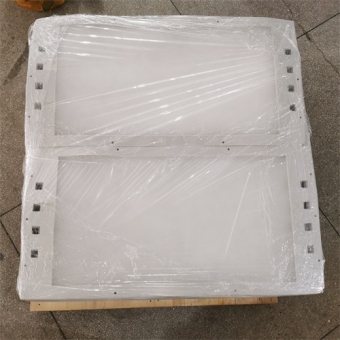
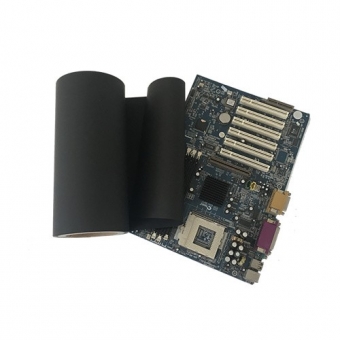
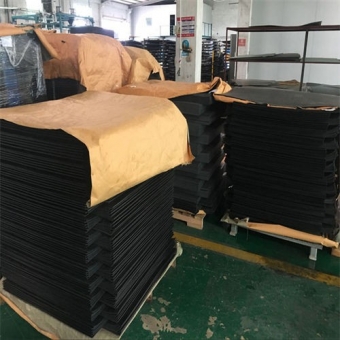
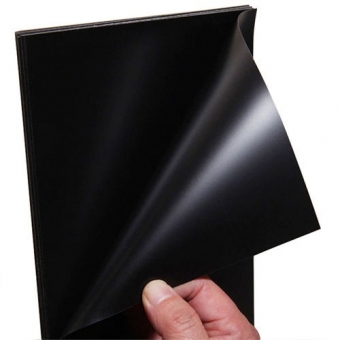
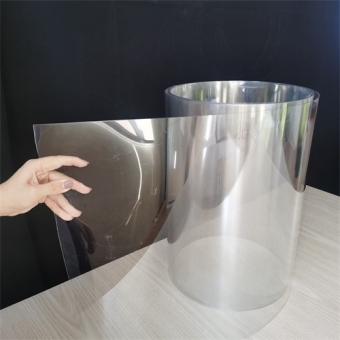
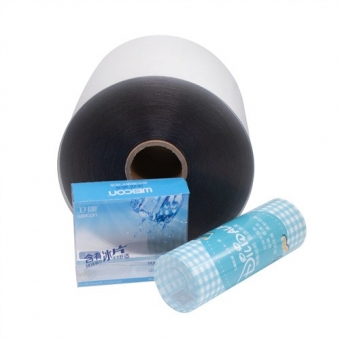
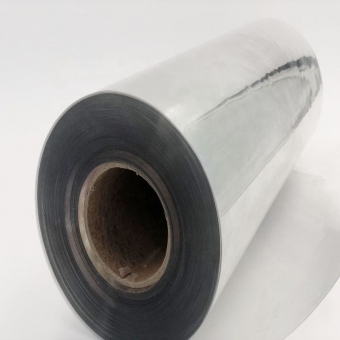
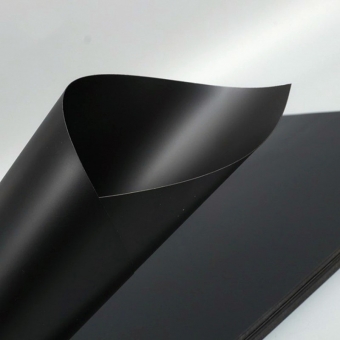
El modelo de doble base ofrece beneficios tangibles directamente a aplicaciones industriales especializadas. El envasado de alimentos y productos electrónicos requiere propiedades de material muy específicas que las láminas de plástico estándar no pueden proporcionar. En primer lugar, la empresa fabrica láminas de PET transparentes, rígidas y de alto rendimiento. Estas láminas, con un grosor aproximado de 200 micras, son perfectas para aplicaciones de termoformado al vacío. Ofrecen una claridad óptica excepcional y una resistencia al impacto sobresaliente a bajas temperaturas. Los supermercados confían en estas propiedades para mantener la frescura de los alimentos en entornos de cadena de frío. En segundo lugar, la industria de la impresión requiere láminas de polipropileno de colores fiables al por mayor. Fullstar produce estas láminas en rollos precisos de 0,5 mm diseñados para impresión de alta velocidad. El tratamiento superficial avanzado garantiza una adhesión superior de la tinta durante las exigentes tiradas de producción. Los diseñadores de envases pueden lograr gráficos vibrantes y duraderos sin preocuparse por el desprendimiento de la superficie. En tercer lugar, el sector electrónico requiere láminas de HIPS especializadas para termoformado. Estas láminas de poliestireno de alto impacto cuentan con una protección precisa contra descargas electrostáticas. Los fabricantes de envases electrónicos las utilizan para construir bandejas protectoras para microchips y componentes semiconductores sensibles. Las estrictas tolerancias dimensionales del material evitan daños físicos durante el transporte automatizado. Finalmente, se cumplen los requisitos de barrera avanzada mediante tecnologías de coextrusión. Las láminas multicapa que utilizan PP, EVOH y capas de barrera de PP bloquean el oxígeno y la humedad. Esta tecnología prolonga la vida útil de los alimentos frescos sin conservantes artificiales. Al producir estos diversos materiales en ambas bases, el proveedor garantiza un flujo constante de rollos especializados. Estos productos cumplen con las estrictas normas de seguridad alimentaria internacionales.
Los desafíos del embalaje moderno requieren más que simples acuerdos de compra transaccionales. Los compradores necesitan un socio a largo plazo que pueda diseñar cadenas de suministro resilientes para un futuro impredecible. Xiamen Fullstar Imp.&Exp.Trading Co.,Ltd. se posiciona como un arquitecto estratégico, no como un fabricante convencional. La combinación de un consolidado centro de I+D en China y una fábrica en Malasia exenta de aranceles ofrece una flexibilidad inigualable. Los clientes pueden asignar fácilmente sus volúmenes de pedidos en función de las cambiantes situaciones geopolíticas. Este modelo de abastecimiento adaptable minimiza la exposición financiera y maximiza la agilidad operativa. Además, la empresa proporciona soporte técnico integral y servicios de formulación personalizados. Los ingenieros trabajan en estrecha colaboración con los clientes para optimizar las formulaciones de láminas para maquinaria de termoformado específica. A medida que la dinámica del comercio global continúa evolucionando, contar con un socio de doble fuente brinda tranquilidad. Invertir hoy en una cadena de suministro resiliente garantiza el crecimiento empresarial del mañana. Gracias a estos esfuerzos, la empresa continúa liderando el sector global del embalaje rígido. Descubra más sobre estas soluciones de embalaje avanzadas y explore el catálogo completo en el sitio web corporativo oficial:https://www.fullstarxm.com/
XIAMEN FULLSTAR IMP.& EXP. TRADING CO.,LTD.


 red ipv6 compatible
 escanear a wechat :

 fullstar@xmfullstar.com
 es
es en
en ru
ru