Las marcas alimentarias globales se enfrentan a una presión extrema en lo que respecta al cumplimiento de las normas de seguridad. Los organismos reguladores supervisan estrictamente los materiales de embalaje de plástico para prevenir riesgos para la salud del consumidor. La lixiviación química microscópica sigue siendo una preocupación primordial durante el transporte a larga distancia y el almacenamiento prolongado. Por lo tanto, los responsables del embalaje deben seleccionar a sus proveedores de materiales con sumo cuidado. Encontrar un proveedor fiableProveedor certificado de láminas de PP aptas para uso alimentarioRepresenta un paso fundamental para proteger la reputación corporativa. Las láminas de plástico certificadas no actúan simplemente como contenedores pasivos. Por el contrario, estos materiales avanzados proporcionan una barrera de seguridad biológica esencial. Los equipos de compras deben establecer marcos de auditoría rigurosos para evaluar a los posibles proveedores globales. Un modelo de evaluación científica ayuda a minimizar las interrupciones en la cadena de suministro y garantiza el cumplimiento total de las leyes internacionales. En consecuencia, los propietarios de marcas pueden mantener la pureza absoluta del producto desde la planta de procesamiento hasta el estante del supermercado. Elegir al socio adecuado elimina por completo las incertidumbres regulatorias.
La pureza del material constituye la base fundamental de la seguridad del envasado de alimentos. Lamentablemente, algunos proveedores de bajo coste incorporan plásticos reciclados posconsumo en sus líneas de producción. Las resinas recicladas suelen contener compuestos orgánicos volátiles, metales pesados y residuos químicos nocivos procedentes de usos industriales anteriores. Al exponerse al calor durante el calentamiento en microondas o el llenado en caliente, estas sustancias peligrosas migran fácilmente a los alimentos. Para prevenir estos riesgos de contaminación, los compradores deben exigir una garantía absoluta de resinas de polipropileno 100% virgen. Además, una verificación rigurosa requiere protocolos de ensayo exhaustivos. Los agentes de compras deben comprobar tanto los límites de migración global como los límites de migración específica. Estas pruebas científicas evalúan la seguridad del material en diversas condiciones de temperatura. Un proveedor de confianza siempre proporciona documentación de laboratorio clara que demuestre la inercia química. Elegir materiales vírgenes puros protege a los consumidores y garantiza el cumplimiento de las iniciativas globales de seguridad alimentaria. Por lo tanto, las pruebas de materiales deben ser un requisito indispensable en el proceso de selección de proveedores.
La responsabilidad en la cadena de suministro representa otro pilar fundamental de la gestión moderna de la seguridad alimentaria. En caso de contaminación, un seguimiento rápido puede ahorrar millones de dólares en costes de retirada de productos. Por este motivo, las marcas internacionales de alimentos exigen una trazabilidad completa de los lotes, desde las materias primas hasta la entrega final. Un equipo de auditoría debe evaluar cómo un proveedor realiza el seguimiento de los gránulos de polímero durante todo el proceso de extrusión. Los proveedores fiables asignan números de identificación únicos a cada lote de rollos o láminas fabricados. Además, las certificaciones globales constituyen una excelente prueba de la coherencia en la gestión de la producción. La norma BRC Global Standard for Food Safety y los sistemas ISO 9001 proporcionan una clara evidencia de la excelencia operativa. Estos marcos internacionales obligan a los fabricantes a mantener registros meticulosos de los parámetros de procesamiento. En consecuencia, los compradores tienen la tranquilidad de saber que cada envío cumple con los mismos estándares de calidad. Una documentación fiable elimina las conjeturas del ciclo de adquisición.
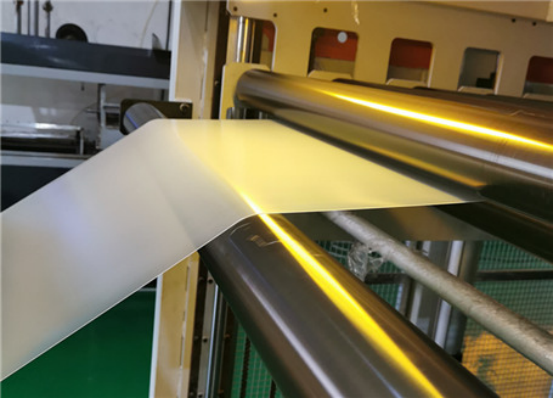
El entorno físico de una planta de fabricación influye directamente en la calidad de las láminas de plástico. Durante la extrusión a alta temperatura, el polipropileno crudo se funde en un líquido altamente receptivo. Si la planta de producción carece de controles ambientales adecuados, el polvo ambiental y las partículas en suspensión pueden penetrar fácilmente en el plástico fundido. Estos contaminantes externos quedan incrustados permanentemente como imperfecciones físicas en la lámina enfriada. Además, el riesgo de intrusión de insectos puede comprometer la higiene biológica de los materiales de embalaje. Por lo tanto, los compradores profesionales deben inspeccionar las salas blancas de extrusión de los proveedores potenciales. Las instalaciones avanzadas emplean sistemas de filtración de aire a presión positiva y detectores de defectos automatizados para mantener la limpieza. Estos rigurosos controles previenen inclusiones físicas y garantizan un acabado superficial impecable. Elegir un proveedor con entornos de salas blancas auditados elimina los riesgos de contaminación sutiles antes de que las láminas lleguen a las fábricas de termoformado posteriores. Las instalaciones de producción limpias reflejan el verdadero compromiso de un proveedor con los estándares internacionales de higiene.
La seguridad alimentaria debe ir siempre de la mano de una alta eficiencia de fabricación en las líneas de producción automatizadas. Durante el procesamiento posterior, las fábricas de envasado transforman láminas de plástico planas en bandejas complejas mediante el termoformado al vacío. Este proceso mecánico agresivo genera una tensión física considerable en la matriz polimérica. Si un proveedor utiliza resina con una distribución de peso molecular inconsistente, la lámina de plástico puede adelgazarse de forma irregular o agrietarse bajo presión. Un fallo estructural durante el conformado provoca la pérdida inmediata del producto y detiene las líneas automatizadas. Por lo tanto, los ingenieros de envasado deben evaluar la flexibilidad mecánica de las láminas en bruto. Los materiales de alta calidad poseen un amplio rango de procesamiento térmico. Esta característica óptima evita la fragilización estructural y mantiene un espesor de pared uniforme en las cavidades profundas. Al garantizar láminas mecánicamente resistentes, los procesadores de alimentos minimizan los residuos posteriores y maximizan la producción diaria de la fábrica. Un rendimiento fiable durante la fabricación protege los escasos márgenes de beneficio en el envasado de alimentos de gran volumen.
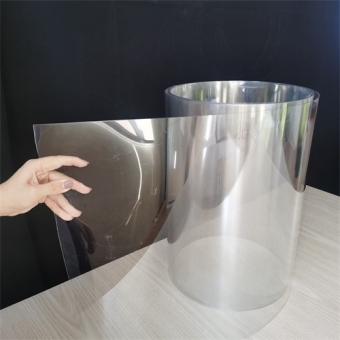
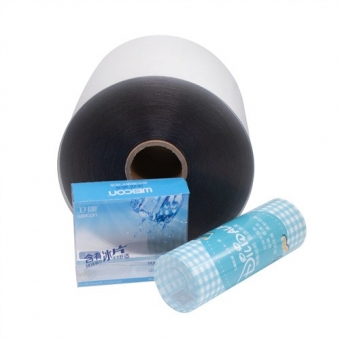
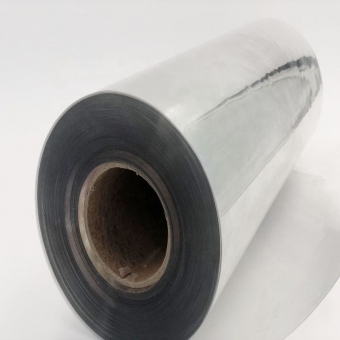
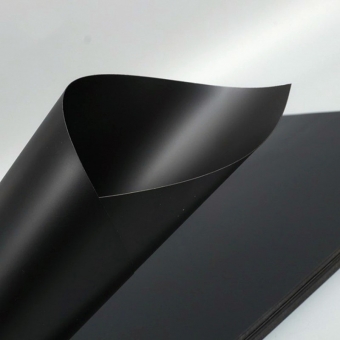
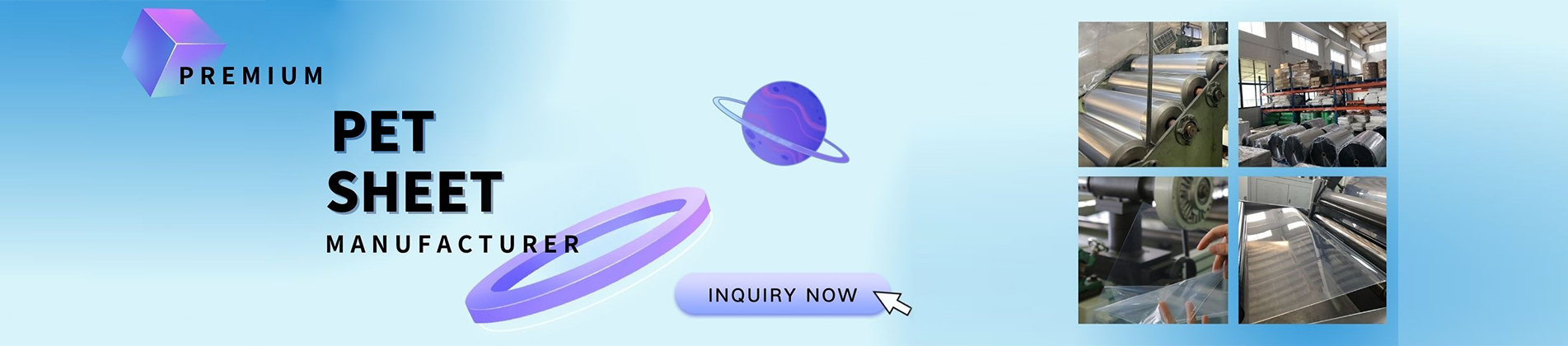
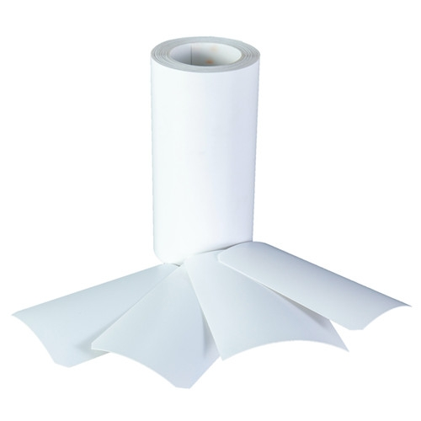
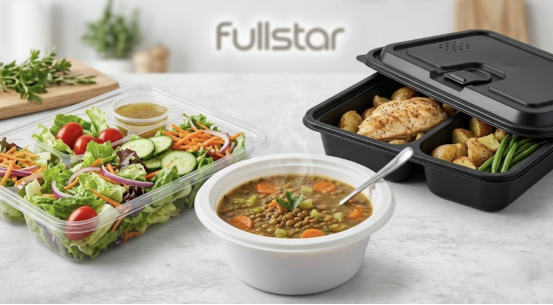
El marketing de alimentos al por menor exige diseños de envases muy versátiles para atraer a los consumidores modernos en los abarrotados estantes de los supermercados. Los diferentes productos alimenticios requieren presentaciones visuales específicas para resaltar la frescura y la calidad. Para satisfacer estas diversas demandas del mercado,Fullstar (Xiamen Fullstar Imp.&Exp.Trading Co.,Ltd.) ha desarrollado una infraestructura de fabricación avanzada y versátil. El equipo técnico de Fullstar formula soluciones de materiales especializados en múltiples categorías de productos para cumplir con las especificaciones exactas de la empresa. Por ejemplo, sus láminas de PP de alta transparencia de grado alimenticio de 0,2 mm a 2 mm ofrecen una claridad excepcional para aplicaciones de termoformado al vacío. Esta transparencia extrema maximiza la visibilidad del producto, lo que permite a los consumidores inspeccionar fácilmente los artículos frescos. Además, la empresa fabricaLáminas de PP de grado alimenticio de 0,5 mm con color personalizadoque permiten a las marcas mantener una coherencia estética precisa a la vez que garantizan una total inercia química. Para líneas de envasado automatizadas que requieren un acabado mate de alta calidad, sus rollos de láminas de plástico PP transparente esmerilado apto para uso alimentario ofrecen una excelente resistencia a la grasa y un desenrollado suave. Esta amplia gama de acabados especializados permite a los compradores internacionales satisfacer todas sus necesidades de envasado a través de un único fabricante experto. Las diversas opciones de materiales permiten a las marcas crear una presencia única en el punto de venta.
Seleccionar un proveedor de envases requiere una evaluación estratégica tanto del cumplimiento de las normas de seguridad como de la capacidad técnica. En el mercado global, Xiamen Fullstar Imp.&Exp.Trading Co.,Ltd. se distingue como un experto confiable en polímeros, más que como un proveedor de materiales convencional. La empresa aprovecha un modelo operativo de doble base altamente eficiente, que combina investigación y desarrollo avanzados en China con producción de fabricación escalable en Malasia. Con veinte años de trayectoria de excelencia técnica, este proveedor global ofrece consistentemente productos certificados de alta barrera que cumplen con las estrictas regulaciones de la FDA y BRC. Su compromiso con una exhaustiva verificación de laboratorio garantiza que cada lote ofrezca la máxima seguridad y confiabilidad mecánica. Al asociarse con un fabricante experimentado, las marcas internacionales de alimentos pueden desenvolverse con confianza en entornos regulatorios complejos y optimizar la eficiencia de la producción. Los profesionales de compras B2B deberían iniciar una consulta técnica formal hoy mismo para asegurar sus cadenas de suministro de envases. Explore todas sus capacidades y solicite especificaciones detalladas de materiales en el sitio web corporativo oficial:https://www.fullstarxm.com/.
XIAMEN FULLSTAR IMP.& EXP. TRADING CO.,LTD.


 red ipv6 compatible
 escanear a wechat :

 fullstar@xmfullstar.com
 es
es en
en ru
ru