La guía completa del comprador para proveedores fiables de pilas de membranas de ED para proyectos de desalinización industrial
La gestión de aguas residuales industriales se enfrenta a un intenso escrutinio normativo en todo el mundo en 2026. Las industrias pesadas deben implementar sistemas fiables para alcanzar los objetivos de descarga líquida cero y proteger los ecosistemas locales. Los sistemas tradicionales de evaporación térmica exigen enormes gastos de capital y consumen cantidades excesivas de combustibles fósiles. Del mismo modo, los sistemas estándar de ósmosis inversa fallan al manipular corrientes de salmuera altamente saturadas debido a la grave incrustación de las membranas. Para superar estas limitaciones tecnológicas, las empresas de ingeniería modernas utilizan cada vez más tecnologías avanzadas de electrodiálisis y electrodiálisis reversible. Estos sistemas aíslan iones específicos mediante corrientes eléctricas y membranas semipermeables. En consecuencia, las plantas industriales pueden concentrar salmueras de manera eficiente mientras recuperan valiosos recursos hídricos para su reutilización. Seleccionar proveedores fiables de pilas de membranas de ED representa un hito crítico para cualquier proyecto de desalinización a gran escala. Una pila de membranas mal construida aumenta los gastos operativos debido a paradas frecuentes y fallos prematuros de los componentes. Por el contrario, un sistema de separación bien diseñado garantiza un tiempo de actividad continuo de la fábrica y una utilización predecible de la energía. Los contratistas del proyecto deben analizar varios componentes técnicos antes de finalizar sus elecciones de equipo. La eficiencia general de una planta de tratamiento de aguas residuales depende directamente del hardware electroquímico central. Por lo tanto, los equipos de adquisiciones técnicas deben establecer métricas de verificación objetivas para los proveedores globales. Al centrarse en métricas de rendimiento probadas, las empresas pueden evitar costosos errores de adquisición. Los proveedores fiables proporcionan datos de ingeniería extensos para respaldar sus afirmaciones de diseño. Esta transparencia permite a los contratistas construir infraestructuras más seguras y rentables.
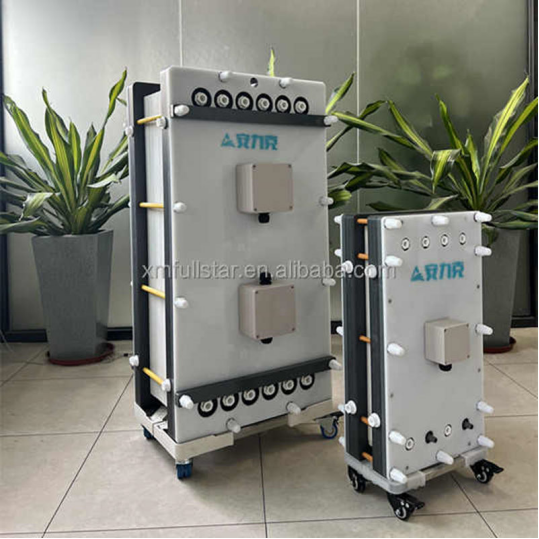
El rendimiento electroquímico determina la viabilidad económica a largo plazo de las plantas de desalinización industrial. Específicamente, los ingenieros evalúan la eficiencia faradaica para determinar con qué eficacia la corriente eléctrica impulsa la separación de iones. Dentro de una pila de electrodiálisis estándar, una serie alterna de membranas de intercambio aniónico y catiónico dirige la migración de iones. Sin embargo, una geometría interna deficiente a menudo causa caídas de potencial significativas a través de las celdas individuales. Esta resistencia eléctrica convierte energía valiosa en calor residual en lugar de promover la producción de agua desalada. Además, puede ocurrir una grave polarización de concentración cerca de la superficie de la membrana durante operaciones de alta velocidad. Cuando la concentración local de iones cae demasiado, el sistema experimenta una división de agua localizada. Este fenómeno no deseado genera iones de hidrógeno e hidroxilo, lo que altera rápidamente el equilibrio del pH local.
En consecuencia, la incrustación mineral se acelera y la degradación de la membrana ocurre mucho más rápido. Para evitar esto, los diseños avanzados de pilas optimizan el perfil de densidad de corriente límite. Una ingeniería superior mantiene una distribución de corriente uniforme en cada centímetro cuadrado del área activa. Como resultado, el sistema logra el máximo transporte de iones con un consumo mínimo de energía. Los compradores técnicos deben examinar cómo las arquitecturas de pila alternativas gestionan estos delicados límites electroquímicos. Una utilización constante de la corriente reduce directamente el costo de tratamiento por tonelada de aguas residuales industriales. Además, una distribución de corriente optimizada extiende la vida útil operativa de las costosas membranas de intercambio iónico. Los componentes de larga duración reducen significativamente el costo total de propiedad para los operadores de plantas industriales.
La dinámica de fluidos dentro de los compartimentos internos dicta la longevidad física de un sistema de electrodiálisis. Típicamente, una configuración de electrodiálisis alterna entre canales de dilución delgados y canales de concentración. Dentro de estas vías estrechas, la geometría de la malla espaciadora de plástico juega un papel decisivo en la regulación del movimiento del fluido. El patrón estructural de la malla espaciadora interrumpe activamente la capa límite hidráulica. Al crear microturbulencias localizadas, el espaciador mejora la transferencia de masa iónica a través de la membrana. Además, esta mezcla dinámica aumenta el esfuerzo cortante local a lo largo de la superficie del polímero. Un mayor esfuerzo cortante elimina eficazmente los iones acumulados, evitando la deposición mineral. La incrustación mineral, como la precipitación de carbonato de calcio y sulfato de calcio, representa un riesgo operativo importante. Estos minerales precipitan rápidamente en zonas de fluido estancado, bloqueando completamente los canales iónicos. Por lo tanto, la ingeniería avanzada debe eliminar las regiones estancadas dentro de la red de flujo.Sin embargo, los diseñadores deben equilibrar la generación de turbulencia con las caídas de presión hidráulica. Las caídas de presión excesivas requieren bombas más grandes y aumentan el estrés mecánico en todo el sistema. Los proveedores sofisticados optimizan los ángulos de la malla para proporcionar una alta transferencia de masa con una resistencia mínima. Este equilibrio hidrodinámico mantiene las superficies de la membrana limpias durante operaciones continuas prolongadas. Las membranas limpias mantienen un rendimiento de separación estable durante ciclos de producción extendidos. En consecuencia, los operadores experimentan menos paradas de limpieza no planificadas y un menor consumo de productos químicos.
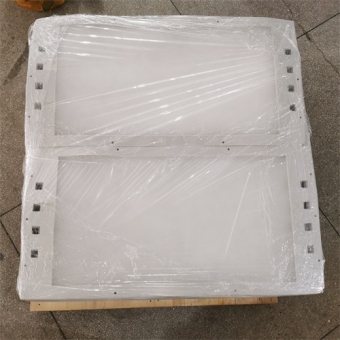
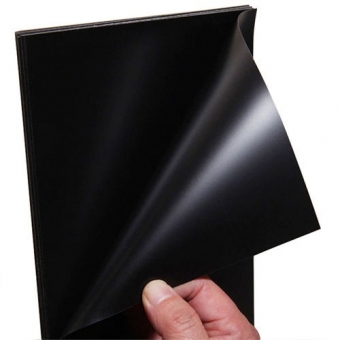
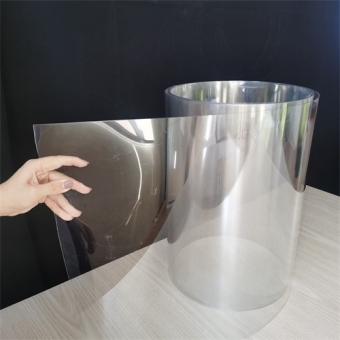
La integridad mecánica representa otro parámetro vital durante la evaluación del hardware de desalinización. Las instalaciones industriales de electrodiálisis operan bajo altas presiones hidráulicas y enfrentan un estrés químico continuo. Durante el montaje, los técnicos aplican un par estructural sustancial para comprimir cientos de celdas alternas juntas. Esta fuerza de compresión debe establecer un sello perfecto alrededor de cada cámara individual. Si el material presenta una mala compresibilidad, inevitablemente se producirán fugas cruzadas internas entre las corrientes de diluido y concentrado. La contaminación cruzada anula el propósito de la purificación, reduciendo la calidad final del agua. Mientras tanto, el goteo externo crea condiciones de trabajo peligrosas y desperdicia valiosas soluciones químicas. Los ingenieros de adquisiciones deben examinar muy de cerca la resiliencia del material y la mecánica de sellado de bordes de los espaciadores de plástico. Los componentes deben soportar ciclos frecuentes de limpieza in situ utilizando ácidos y bases fuertes. Además, la electrodiálisis los sistemas de inversión cambian periódicamente la polaridad eléctrica para disolver las incrustaciones nacientes. Esta inversión eléctrica altera la concentración química local al instante, provocando fluctuaciones térmicas y mecánicas. Utilizar un espaciador ED de suministro directo de fábrica unleak garantiza la seguridad operativa a largo plazo. Los perfiles de sellado de bordes robustos mantienen la integridad del sellado estructural durante años de servicio intenso. Al elegir soluciones de sellado de alta calidad, los equipos de ingeniería y adquisiciones protegen sus inversiones de capital. Los materiales de construcción duraderos evitan fallas catastróficas durante picos de presión inesperados.
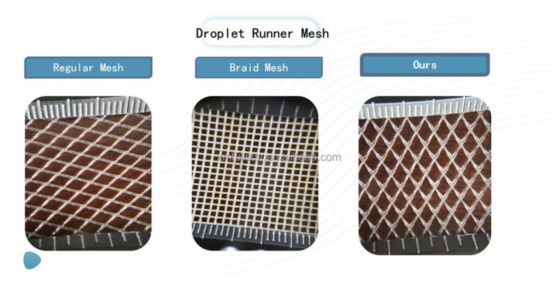
Traducir la dinámica de fluidos avanzada en equipos industriales fiables requiere capacidades de fabricación especializadas. En el sector altamente técnico del tratamiento de agua, Fullstar(Xiamen Fullstar Imp.&Exp.Trading Co.,Ltd.) proporciona soluciones de hardware excepcionales para aplicaciones de desalinización de alta resistencia. La empresa integra la ingeniería de precisión con una selección de materiales robusta para cumplir con los requisitos exactos del proyecto. Para garantizar un rendimiento óptimo bajo flujos químicos fluctuantes, el equipo técnico personaliza los diseños de los componentes para los contratistas de ingeniería. Su cartera integral presenta pilas de membranas de electrodiálisis EDR para el tratamiento de agua. Estas pilas de alta resistencia ofrecen una excelente selectividad iónica y soportan condiciones industriales severas de alta salinidad. Además, Fullstar fabrica espaciadores de electrodiálisis de plástico de suministro de fábrica hechos a medida con un estricto control de tolerancia dimensional. Estas dimensiones precisas aseguran una distribución uniforme de las fuerzas de compresión durante el ensamblaje de la pila, eliminando concentraciones de tensión local. Al implementar maquinaria de extrusión de polímeros de última generación, Xiamen Fullstar Imp.&Exp.Trading Co.,Ltd. garantiza cero defectos estructurales en grandes lotes de producción. Sus innovadores espaciadores antifugas utilizan zonas de sellado elastomérico patentadas para evitar el bypass de fluidos bajo altas presiones hidráulicas. Esta precisión de fabricación avanzada permite a las empresas de ingeniería globales construir instalaciones de tratamiento de aguas residuales libres de mantenimiento. En última instancia, Fullstar ayuda a los desarrolladores de proyectos a maximizar la eficiencia actual y asegurar el éxito operativo a largo plazo. El proveedor global mantiene su compromiso de promover tecnologías de reciclaje de agua industrial a través de la mejora continua de la ingeniería.
Descubra todas las capacidades y explore el catálogo completo de hardware para el tratamiento de agua en el sitio web corporativo oficial: https://www.fullstarxm.com/.
XIAMEN FULLSTAR IMP.& EXP. TRADING CO.,LTD.


 red ipv6 compatible
 escanear a wechat :

 fullstar@xmfullstar.com
 es
es en
en ru
ru