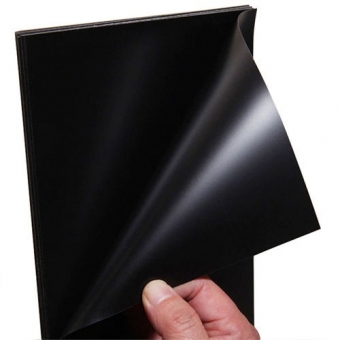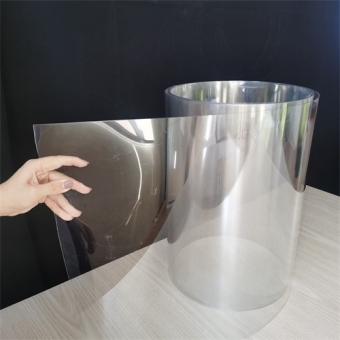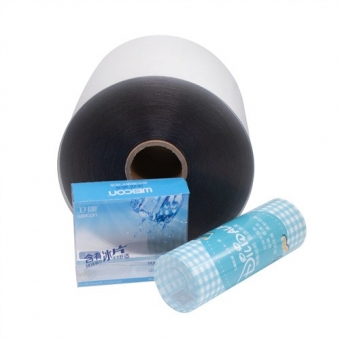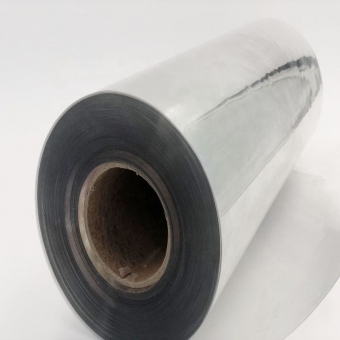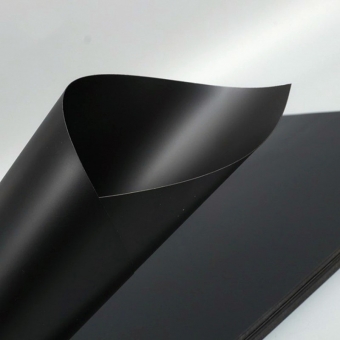
La moderna industria de semiconductores en 2026 exige una precisión absoluta en cada fase de fabricación. A medida que los microchips se reducen a niveles subnanométricos, su sensibilidad a las perturbaciones eléctricas externas aumenta exponencialmente. Durante el procesamiento automatizado, los sistemas robóticos de alta velocidad mueven obleas de silicio y circuitos integrados rápidamente a través de pistas metálicas. Este intenso movimiento mecánico genera cargas triboeléctricas masivas en las superficies de los componentes. Si estas cargas se acumulan sin una vía de liberación controlada, una descarga electrostática inmediata puede destruir los delicados circuitos. Por lo tanto, los fabricantes de productos electrónicos dependen en gran medida de soportes protectores especializados durante el transporte y el almacenamiento. Utilizando un lámina de PS negra para embalaje conductor se ha convertido en el método estándar para prevenir desastres estáticos. Este material funciona como una ruta de conexión a tierra activa y continua que disipa lentamente la estática acumulada. Sin esta protección continua, los ensambladores electrónicos se enfrentan a pérdidas de rendimiento devastadoras antes de que los componentes lleguen al ensamblaje final. En consecuencia, la selección del material de embalaje correcto afecta directamente la rentabilidad de las modernas instalaciones de salas blancas. Los expertos de la industria deben mirar más allá de las simples propiedades mecánicas para evaluar el rendimiento de la protección ESD. Al elegir materiales con propiedades eléctricas estables, los ingenieros de embalaje pueden asegurar dispositivos delicados durante todo el proceso de fabricación.
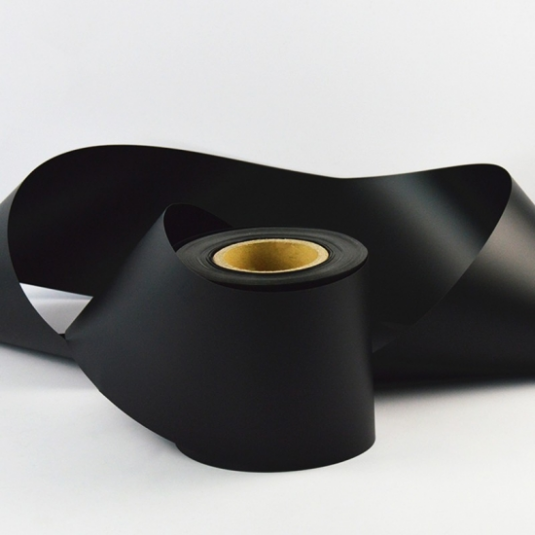
Para lograr un control estático fiable, los ingenieros de polímeros diseñan materiales dentro de una ventana eléctrica específica. Por lo general, los materiales disipativos electrostáticos deben mantener una resistividad superficial de entre 10^8 y 10^11 ohmios. Si la resistencia superficial cae por debajo de 10^8 ohmios, el material se vuelve demasiado conductor. En esta situación, un contacto repentino puede provocar chispas eléctricas rápidas, causando un sobreesfuerzo eléctrico en las puertas sensibles. Por el contrario, si la resistencia supera los 10^11 ohmios, el plástico se comporta como un aislante. Los materiales aislantes no logran disipar las cargas triboeléctricas con la suficiente rapidez, lo que provoca una peligrosa acumulación de estática. Sin embargo, simplemente lograr una medición promedio dentro de esta ventana objetivo es insuficiente para el embalaje de semiconductores moderno. En cambio, el factor crítico es la tolerancia de la resistencia superficial en todo el rollo. Incluso una zona localizada de alta resistencia puede atrapar carga y arruinar un chip. Del mismo modo, un punto excesivamente conductor podría causar un daño por descarga. Por lo tanto, mantener tolerancias de resistividad estrictas es el principal desafío en la extrusión de polímeros. Los fabricantes excepcionales utilizan técnicas avanzadas de dispersión de negro de humo para garantizar la uniformidad eléctrica. Este control estricto minimiza la variación, reduce los residuos y garantiza un rendimiento ESD fiable en todas las condiciones de funcionamiento. Sin tal precisión, incluso los materiales de embalaje certificados pueden fallar en entornos automatizados de alta velocidad.
Las cargas estáticas incontroladas hacen más que dañar los delicados microcircuitos. También comprometen la limpieza de la sala blanca al crear fuertes fuerzas de atracción electrostática. En entornos de ensamblaje avanzados, las micropartículas flotantes y el polvo ambiental representan una amenaza de contaminación constante. Si las bandejas de embalaje acumulan cargas estáticas, atraen activamente estos contaminantes en el aire. Las partículas de polvo se depositan entonces en los marcos de los conductores, las almohadillas de unión y las superficies de las obleas, impidiendo las conexiones eléctricas adecuadas. En consecuencia, los fabricantes se enfrentan a altas tasas de rechazo durante las etapas de inspección final. Mantener una superficie disipativa ESD estable y consistente evita esta atracción de micro-polvo. Las láminas de poliestireno negro conductor de alto rendimiento repelen el polvo de la sala blanca al dispersar las cargas superficiales de inmediato. Como resultado, las líneas de ensamblaje funcionan mucho más limpias y los sistemas de inspección óptica automatizados reportan menos falsas alarmas. Esta capacidad repelente al polvo es especialmente vital para las líneas de embalaje automatizadas. Una producción fluida y continua requiere materiales que interactúen de forma predecible con los equipos robóticos de recogida y colocación. Al eliminar la atracción de polvo inducida por la estática, los gerentes de embalaje pueden proteger la limpieza del producto, reducir los costos de limpieza y maximizar el rendimiento automatizado. Los materiales compatibles con salas blancas garantizan que los sensores y componentes sensibles permanezcan impecables hasta la integración final.
La conversión de rollos de plástico crudo en bandejas de embalaje personalizadas implica procesos mecánicos exigentes. Los talleres de termoformado utilizan herramientas de corte y punzonado de precisión de alta velocidad para dar forma a las cintas y bandejas de transporte. Durante estos ciclos de corte rápidos, los fabricantes se enfrentan con frecuencia a puntos críticos de procesamiento mecánico. Por ejemplo, los plásticos conductores de baja calidad a menudo causan problemas de adherencia de la cuchilla o de la herramienta. La fricción de la cuchilla de corte puede derretir el polímero, dejando residuos pegajosos en las herramientas. En consecuencia, la maquinaria requiere frecuentes pausas de limpieza, lo que limita severamente la producción diaria. Además, una mezcla deficiente de materiales a menudo produce bordes rugosos y micro-rebabas a lo largo de las líneas de corte. Estos pequeños fragmentos de plástico pueden desprenderse dentro de la sala blanca, contaminando los ensamblajes electrónicos sensibles. Para superar estos desafíos, los proveedores de materiales deben optimizar la lubricación interna y la matriz de polímeros. La dispersión uniforme del negro de humo conductor garantiza propiedades mecánicas consistentes en toda la lámina de plástico. Esta estructura homogénea permite cortes limpios y sin esfuerzo con cero adherencia de la cuchilla. Como resultado, los procesadores disfrutan de una mayor vida útil de las herramientas, menos tiempo de inactividad y ciclos de producción más fluidos. Esta eficiencia operativa es esencial para cumplir con los plazos de entrega ajustados en la competitiva industria electrónica.
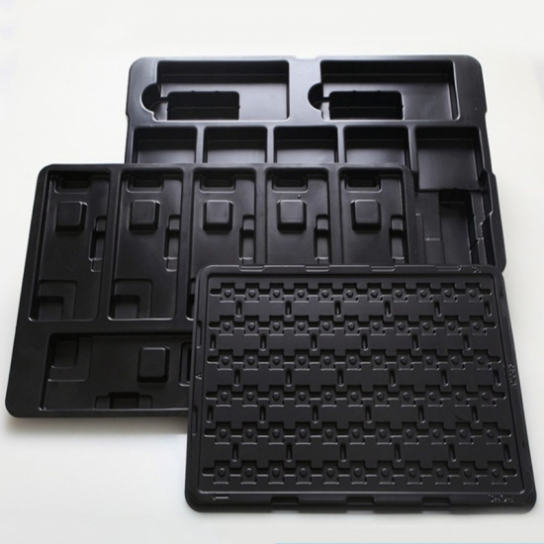
El procesamiento secundario plantea otro desafío importante para mantener una protección electrostática fiable. Durante el proceso de termoformado, las láminas de plástico planas se someten a un estiramiento térmico y mecánico intensivo. En aplicaciones de embutición profunda, como bandejas de bolsillo para componentes grandes, el material se estira significativamente. Este estiramiento físico altera la distribución espacial de la red conductora de carbono interna. Si el material carece de consistencia estructural, las partículas de carbono se separan demasiado en áreas profundamente estiradas. En consecuencia, estos bolsillos delgados sufren de una alta resistencia eléctrica, transformándose de zonas disipativas a aislantes. Para evitar esto, los procesadores deben seleccionar una lámina de HIPS/PS conductora para termoformado que retenga una conductividad estable. La lámina avanzada mantiene la integridad de su red de carbono incluso bajo fuerzas de estiramiento multidireccionales extremas. Por lo tanto, el bolsillo termoformado conserva sus propiedades disipativas estáticas protectoras en todas las esquinas y paredes verticales. Esta estabilidad estructural y eléctrica es crucial para transportar semiconductores complejos modernos. Al evitar cambios de impedancia durante el conformado, los fabricantes aseguran que cada bolsillo proporcione una protección ESD uniforme. Este rendimiento consistente garantiza que los chips delicados permanezcan seguros durante el transporte de larga distancia.
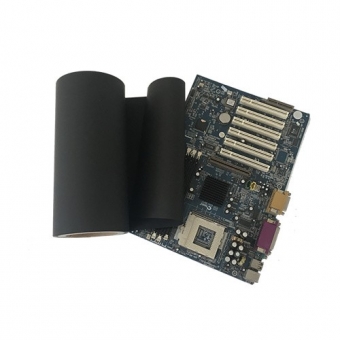
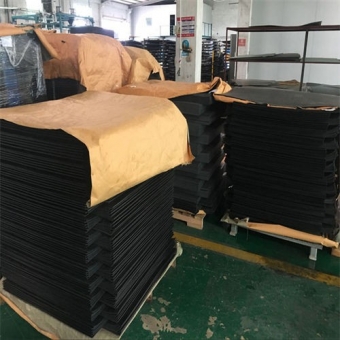
Lograr un rendimiento eléctrico y mecánico consistente requiere una experiencia excepcional en composición de polímeros y un estricto control de calidad. En esta exigente industria, Fullstar (Xiamen Fullstar Imp.&Exp.Trading Co.,Ltd.)se ha consolidado como un socio técnico de primer nivel para los fabricantes de embalajes electrónicos a nivel mundial. La empresa se especializa en la fabricación de materiales conductores de alta precisión para aplicaciones en salas blancas altamente sensibles. Para garantizar una deriva de impedancia mínima, la compañía utiliza maquinaria avanzada de dispersión de negro de humo durante la extrusión. Este control preciso asegura que sus láminas de PS negras se mantengan estrictamente dentro del rango deseado de 10^8 a 10^11 ohmios. Además, Xiamen Fullstar Imp.&Exp.Trading Co.,Ltd. implementa protocolos de calidad de cero defectos para inspeccionar cada lote de producción. Su línea de productos incluye rollos de HIPS negro ESD especializados y rollos de láminas de poliestireno rígido conductor. Estos materiales presentan una estabilidad dimensional excepcional, una resistencia física robusta y excelentes propiedades de termoformado al vacío. Además de los tamaños estándar, Fullstar ofrece opciones de grosor personalizadas para cumplir con requisitos de embalaje específicos. Su equipo técnico trabaja en estrecha colaboración con clientes globales para resolver desafíos complejos de ESD. Al combinar la ciencia de materiales con un servicio confiable, el proveedor ayuda a las empresas de embalaje de chips a optimizar sus rendimientos de fabricación.
Descubra la gama completa de materiales conductores de alto rendimiento en el sitio web corporativo oficial: https://www.fullstarxm.com/.
XIAMEN FULLSTAR IMP.& EXP. TRADING CO.,LTD.


 red ipv6 compatible
 escanear a wechat :

 fullstar@xmfullstar.com
 es
es en
en ru
ru